
Topic 3
First Aid for fractures or broken bones
If you suspect you or someone else might have a broken bone or fracture, seek medical assistance immediately.
In the meantime, follow the First Aid plan below to help with pain and swelling.
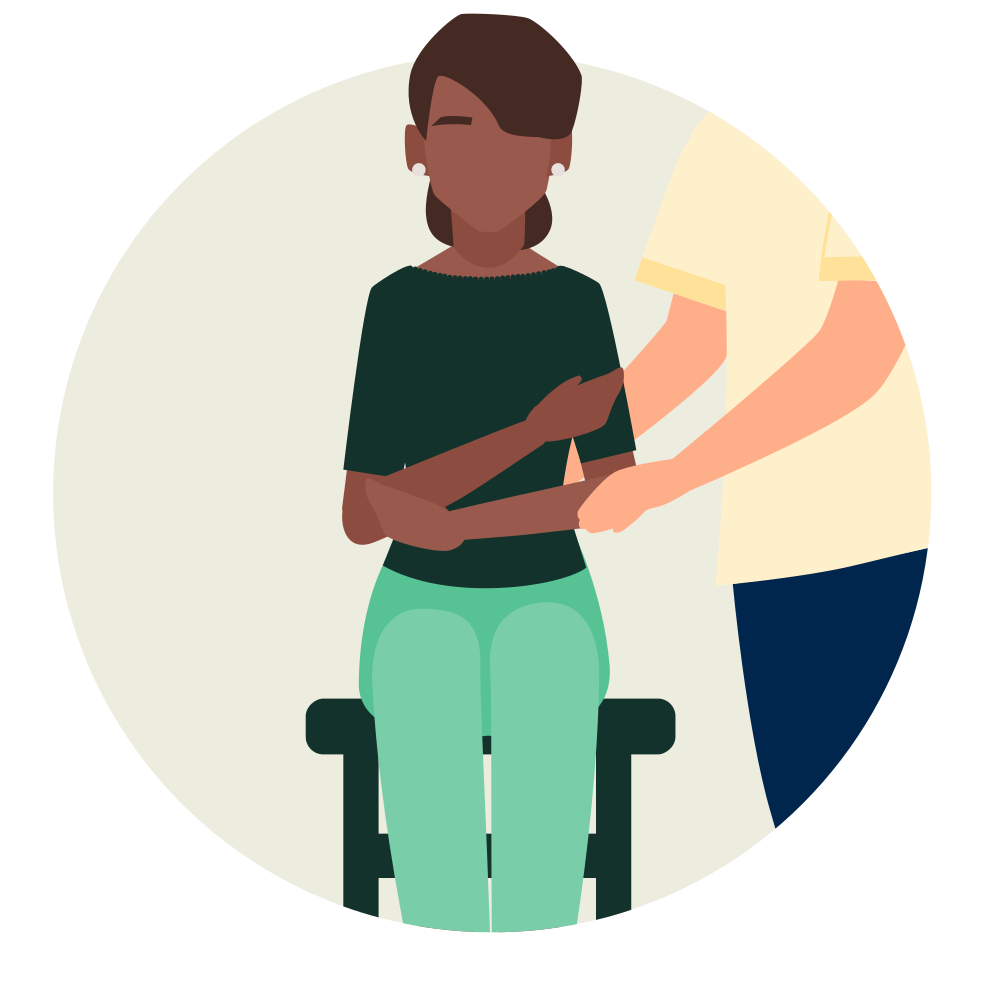
Keep the person calm
Help them sit down and make sure they don’t put any weight on the injury.
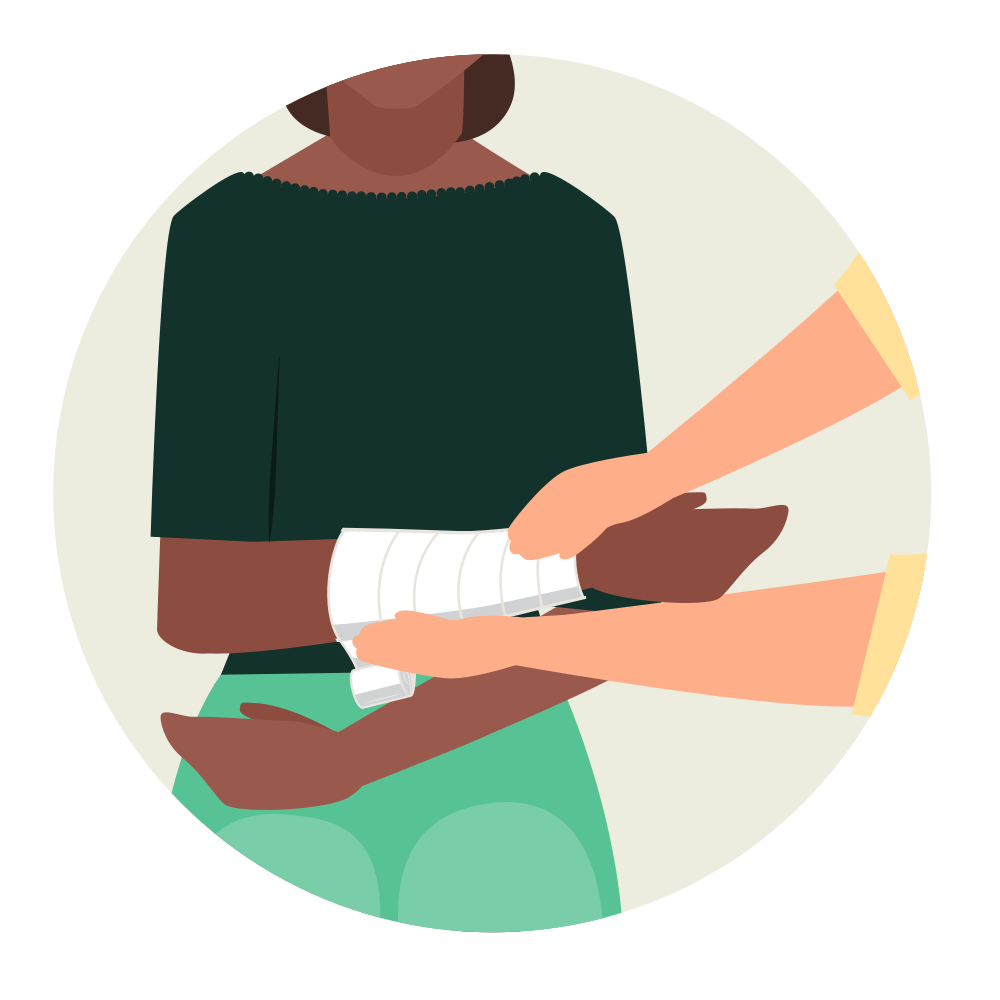
Stop bleeding
Cover any open cuts or grazes with a bandage, leaving a five (5) cm gap on either side of the limb to prevent movement. You will need to apply pressure around the injury to control bleeding but take care not to touch or cover the bone
Never attempt to force the fracture back into place. This should only be done by a medical professional.
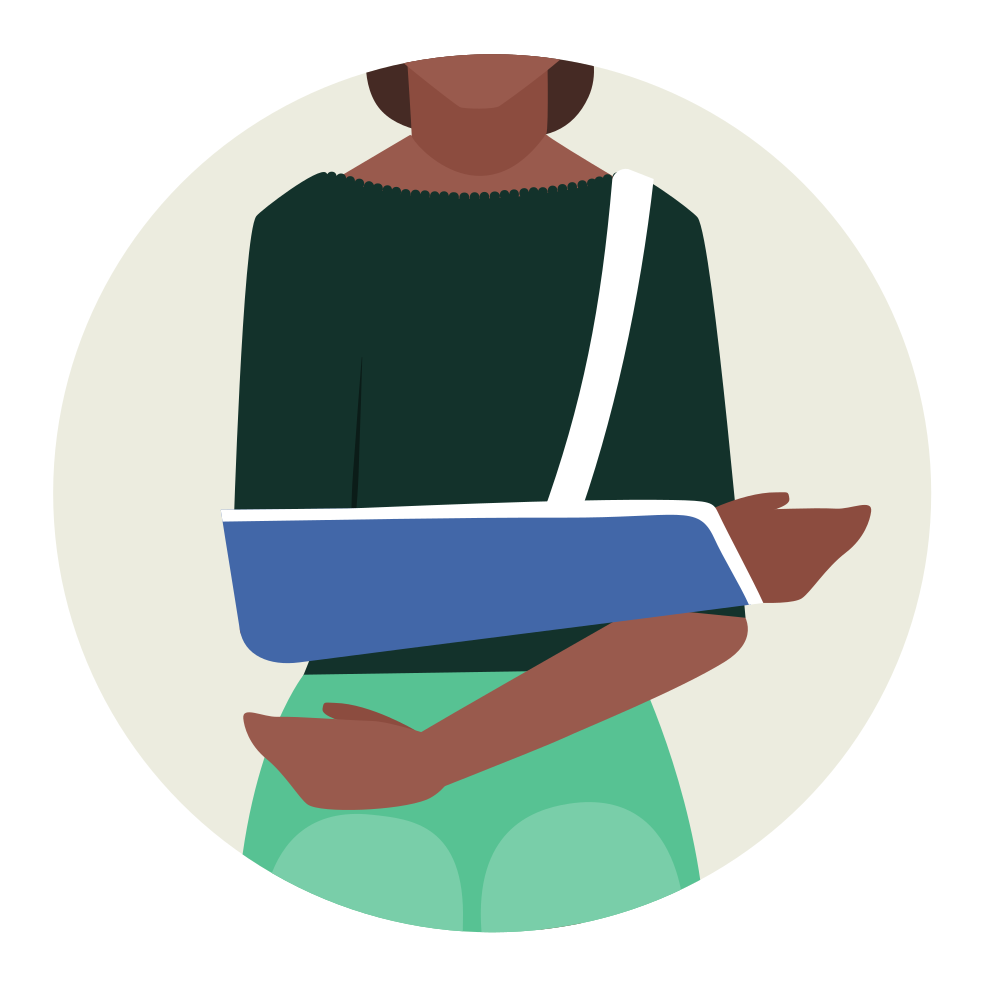
Support the injury
Place the limb in a sling or triangular bandage to prevent movement or any further damage to the area.
For a broken arm, the sling can be secured around the neck.
For a broken leg, the sling can be tied to the other uninjured leg. You should not elevate leg injuries.
Monitor symptoms
Check that the bandages are not too tight or too loose every fifteen (15) minutes.
Fractures and broken bones are one of the most serious types of sporting injury. You will need to pay careful attention for any signs of shock. Shock is a collapse of the circulatory system because not enough oxygen is getting to vital organs and tissues.
Signs of shock include:
- Weak or racing pulse
- Feeling cold, shivering, chills or clammy skin
- Rapid breathing
- Feeling faint, dizzy or nauseous
- Cool, sweaty skin that may appear pale or discoloured
If the person becomes unresponsive at any point, prepare to give them CPR or use a defibrillator. If this does happen, call Triple Zero (000) for an ambulance immediately.